 blog
9 Modern Bathroom Design Trends for 2026
Quick Summary
Bathroom design trends for 2026 favor warmth, texture and calm, restrained spaces built on natural materials. Soft pastels and deep shades both appear, and statement zellige, natural stone and matte finishes are replacing high-gloss white tile.
- Judge each paint or tile sample in the actual room under morning and evening light before committing.
- Limit the room to two or three colors, keeping the main surfaces neutral and letting one color carry the accent.
- Hand-painted zellige is glazed terracotta, so it needs sealing and gentle cleaning in a shower.
- Confirm the sealing schedule for natural stone shower floors before installation to prevent staining and etching.
- Confirm the drain location and floor structure before choosing a freestanding tub, since moving a drain later is expensive.
Table of Contents
- What the 2026 Bathroom Trend Forecast Gets Right
- 2026 Bathroom Colors: Pastels, Bold Shades and How to Choose
- 2026 Bathroom Tile Trends: Statement Pieces, Natural Stone and Texture
- Modern Bathroom Design Trends 2026 With Shower: Steam, Walk-In and Wet Room Layouts
- Small Bathroom Trends 2026: Making Compact Rooms Feel Modern
- Vanities, Fixtures and Soaking Tubs: Budgets, Returns and Durability
- Planning Your 2026 Bathroom Update for Aging in Place and Long-Term Wear
- Booking Your Design Consultation for a 2026 Bathroom Remodel
- Frequently Asked Questions
What the 2026 Bathroom Trend Forecast Gets Right
Bathroom design trends for 2026 favor warmth, texture and rooms that feel calm rather than clinical. For a homeowner in Connecticut weighing a remodel, the useful question is which trends will still look right in five years and which will feel dated by the second winter.
The strongest trends share three traits: they use natural materials, they stay restrained in color, and they treat the bathroom as a retreat rather than a utility room. Trends built on a single bold gimmick tend to age quickly. Trends built on material quality and good proportions hold up.
Ask whether each idea fits your room, your budget and how you actually use the space. The sections below work through common choices, along with the trade-offs.
2026 Bathroom Colors: Pastels, Bold Shades and How to Choose
Soft pastels and deep, saturated shades are both showing up in 2026 bathroom palettes. A muted sage, clay or powder blue can give a bathroom a sense of calm without feeling cold. Bolder choices, such as deep green or ink blue, work well when balanced by warm metals and natural wood.
The practical test is light. A color that looks lovely on a sample card can turn gray under a north-facing window or harsh under a single overhead fixture. View any paint or tile sample in the actual room, at morning and evening light, before committing.
Keep the main surface neutral and let one color carry the accent. A pastel floor with white walls and brass fixtures reads fresh. A deep tile wall with warm white grout and a light vanity reads dramatic without overwhelming the room. Limit yourself to two or three colors across the whole space.
2026 Bathroom Tile Trends: Statement Pieces, Natural Stone and Texture
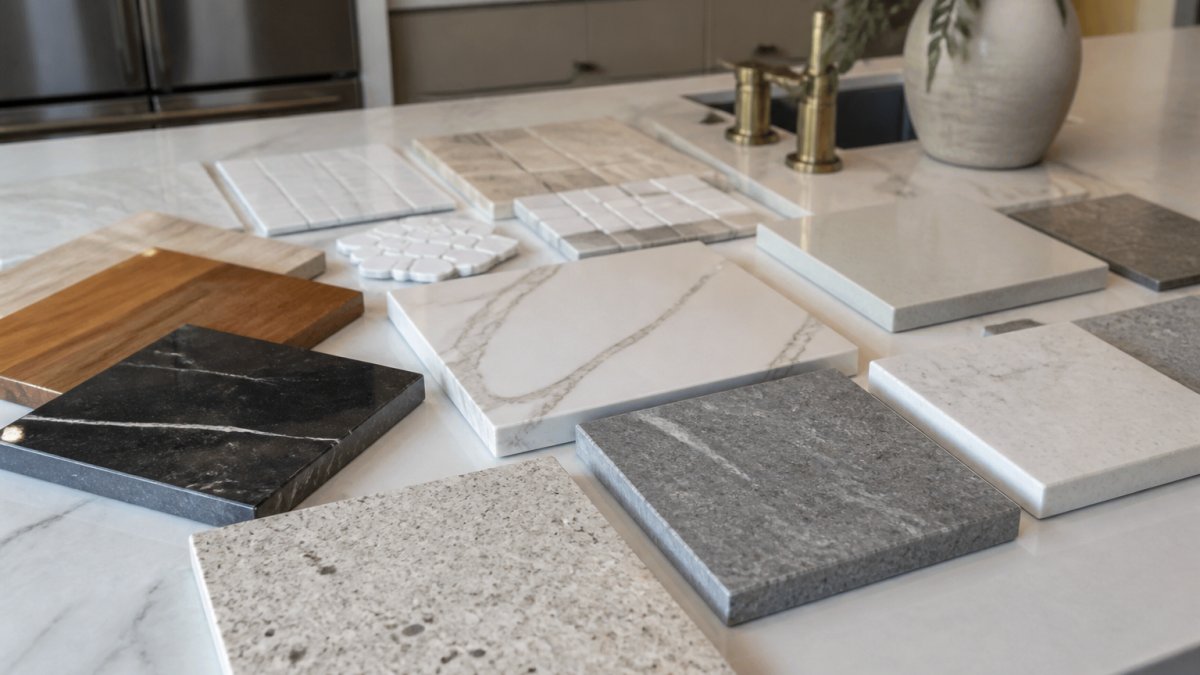
Tile is where the 2026 trend shift is most visible. Statement pieces, such as hand-painted zellige or large-format patterned tile, are back in favor. Natural stone and textured finishes, including honed and matte surfaces, continue to replace high-gloss white.
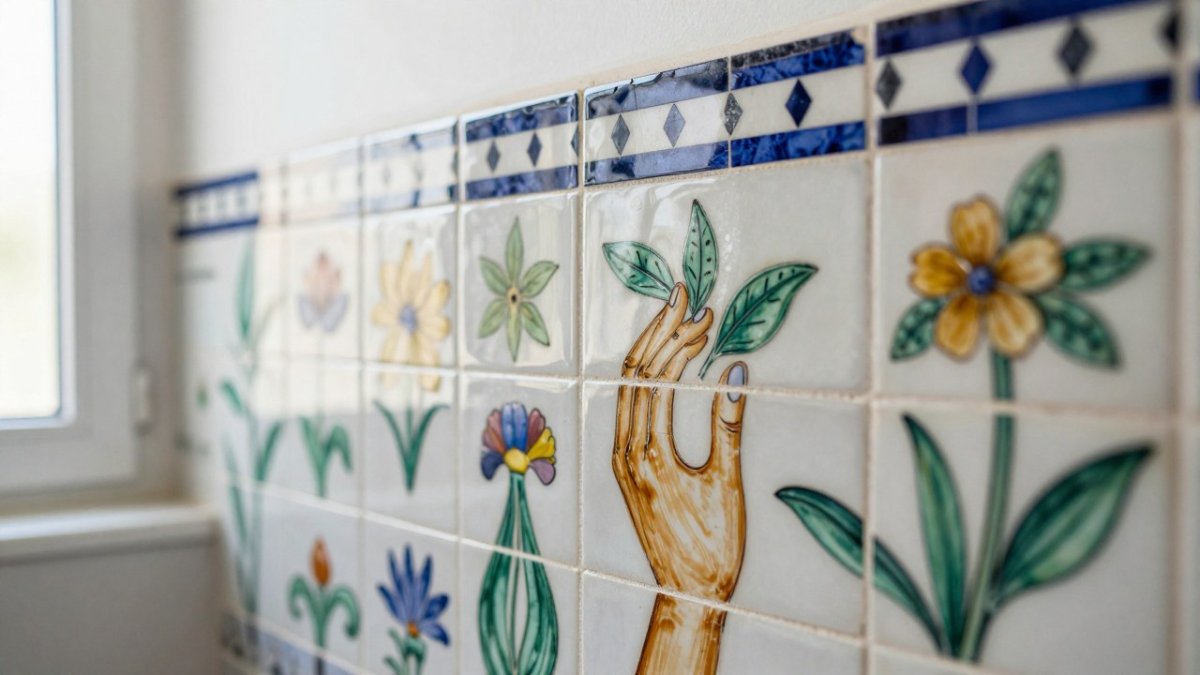
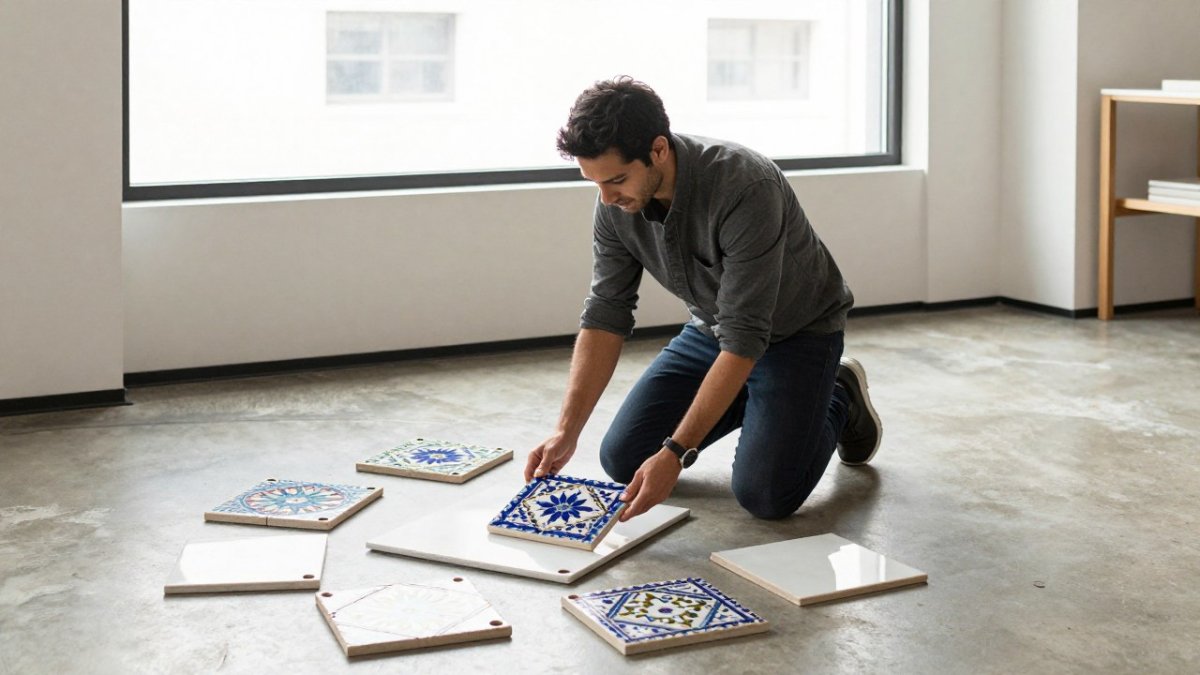
Hand-painted Moroccan zellige is one of the most distinctive options. Its slight irregularity catches light differently across the surface, which is why viewing it under natural daylight before choosing is worthwhile. Zellige is a glazed terracotta, so it is softer and more porous than porcelain.
Natural stone remains a strong 2026 choice, but each stone behaves differently. Marble etches when it meets acidic cleaners, vinegar, wine or citrus, and it stains more readily than porcelain. Honed marble is more forgiving underfoot than polished marble, which is why honed finishes are common on bathroom floors.
Textured finishes deserve attention for safety as well as style. A matte or textured floor tile gives better slip resistance than a polished one, which matters in a room with wet feet. Ask about the slip rating before choosing a floor tile, and check the finish with the same care you give the color.
Grout is part of the tile decision, not an afterthought. Cementitious grout in a light color shows wear quickly in a shower; epoxy or stain-resistant grout costs more upfront but holds up better in wet zones. Narrow grout joints make a large-format tile read as a continuous surface, while wider joints suit handmade tile and hide slight size variation.
Pricing depends on quantity, dates and delivery. Visit Artisan Tile Kitchen & Bath for current pricing and a quote tailored to your project.
!Hand-painted zellige tile wall in a bright bathroom with natural daylight across the glazed surface
Watch out: an unsealed natural stone shower floor can stain and etch over time, so confirm the sealing schedule before installation.
The article compares how common tile and stone materials behave in a bathroom, so the key differences are easy to scan.
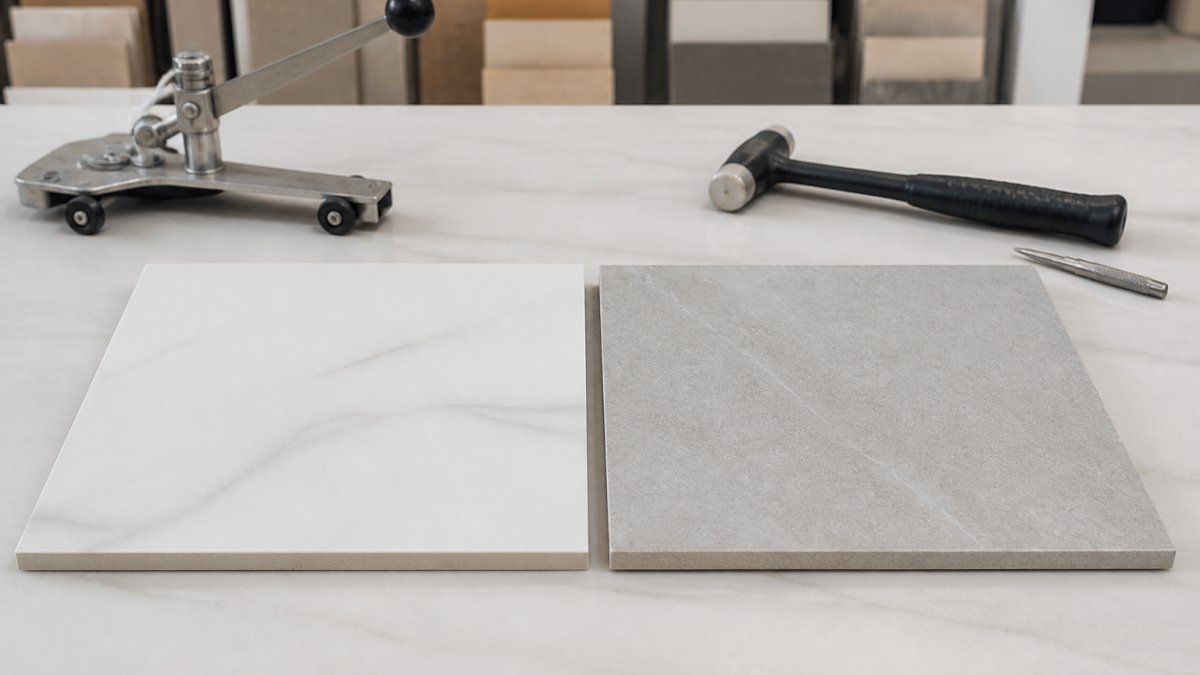
| Material | Care or maintenance | Key difference |
|---|---|---|
| Hand-painted zellige | Needs sealing; gentle cleaning | Glazed terracotta, softer and more porous than porcelain |
| Italian porcelain | Low maintenance | Consistent color, large sizes |
| Through-body porcelain | Low maintenance | Color runs through tile; hides chips |
| Marble | Etches with acidic cleaners | Stains more readily than porcelain |
| Honed marble | Less slippery than polished | More forgiving underfoot |
| Travertine | Needs filling and sealing | Pits can trap soap residue |
Modern Bathroom Design Trends 2026 With Shower: Steam, Walk-In and Wet Room Layouts
The shower is often the centerpiece of a 2026 bathroom remodel. Walk-in showers with minimal glass, steam showers and wet room layouts all appear in current design work. Each offers a different balance of luxury, cost and practical use.
A steam shower adds a spa-like feature, but it requires a sealed enclosure, a dedicated generator and careful ventilation. A walk-in shower with a low-profile curb is simpler and works well for most households. A full wet room removes the threshold entirely, which suits aging in place, though it requires expert waterproofing.
Plan the drain location, slope and niche placement before selecting tile, since these decisions affect the whole layout. Changing them after tile is installed is expensive. A good designer will walk through each option with you before any material is ordered.
Watch out: an unsealed natural stone shower floor can stain and etch over time, so confirm the sealing schedule before installation.
Small Bathroom Trends 2026: Making Compact Rooms Feel Modern
Small bathrooms benefit from the same trends as large ones, applied with restraint. Lighter tones, larger tiles with fewer grout lines and wall-hung fixtures all make a compact room feel more open. A single statement wall often works better than tiling the entire room in a busy pattern.
Wall-mounted toilets and floating vanities free up floor space and make cleaning easier. Mirrored or glass-front cabinets reflect light and add storage without bulk. For a tight footprint, a pivot or sliding shower door can replace a swing door that needs clearance.
Avoid stacking too many textures in a small room. One natural stone feature, one matte finish and one metal tone is usually enough. More than that tends to make the room feel busier, not larger.
Vanities, Fixtures and Soaking Tubs: Budgets, Returns and Durability
Vanities, fixtures and tubs carry much of a bathroom's visual weight, so they deserve a clear budget and a realistic view of what each choice costs to install and maintain. The vanity, the tub or shower, and the fixtures together often account for a large share of a bathroom budget, so decisions here are best made before tile and paint are finalized.
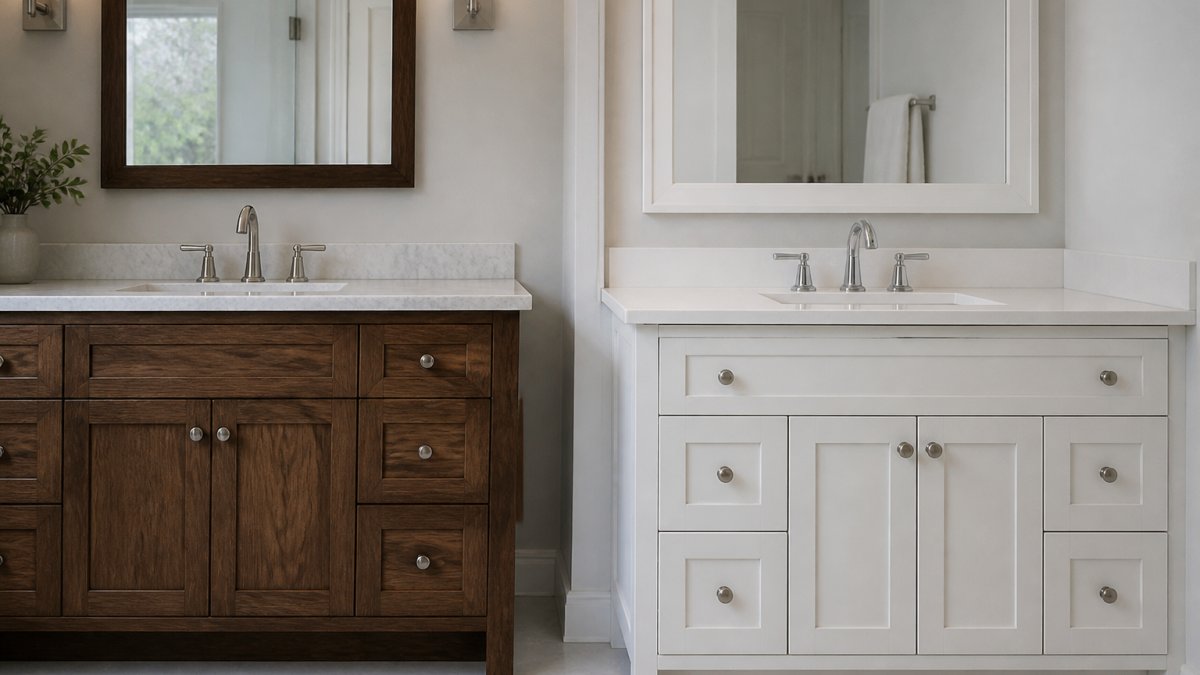
Vanity construction matters more than the door style. Solid wood and plywood boxes resist moisture better than particleboard, which swells when it gets wet. A furniture-style vanity with a painted or stained finish looks current in 2026, but confirm that the finish is rated for a humid room. Wall-hung vanities free floor space and make cleaning easier, though they require blocking in the wall and, often, a relocated drain.
Freestanding soaking tubs are a strong focal point, but they carry hidden costs. A freestanding tub needs floor reinforcement in many homes, more plumbing work than an alcove tub, and a freestanding or floor-mounted filler. An alcove tub is usually the lower-cost option and easier to surround with tile.
Fixtures are where small choices add up. Brass and matte black finishes continue to be popular, but finish durability varies: some matte finishes show water spots and fingerprints more than polished chrome, and some brass finishes are lacquered while others are living finishes that patina over time. Choose fixtures from a single finish family and check that the valve and rough-in match your plumbing before ordering.
On returns, be realistic. A bathroom remodel may not pay back its full cost at resale, but a well-planned update can improve daily use. Prioritize durable, low-maintenance materials in high-wear areas such as the floor and shower. A common pattern is to spend on the items you touch every day, the shower valve, the toilet, the vanity drawers, and save on decorative details that are easy to change later.
Watch out: a freestanding tub ordered before the drain location is confirmed can arrive with a rough-in that does not match the floor, forcing a costly change order.
Planning Your 2026 Bathroom Update for Aging in Place and Long-Term Wear
Many homeowners plan bathroom updates with aging in place in mind. Curbless showers, grab bar blocking inside the walls, comfort-height toilets and good task lighting make a bathroom safer without making it look institutional. Designing these features in from the start costs far less than retrofitting later.
Durability matters as much as accessibility. Porcelain and natural stone handle daily wear well when sealed correctly. Grout is often the first thing to show wear, so consider a stain-resistant or epoxy grout in wet areas. Ask about maintenance requirements before choosing any surface.
A common approach is to design for the next 10 to 15 years, not just the next season. Choose timeless proportions and quality materials, and let trend-driven details, such as paint color or accessories, be the easiest things to change.
Booking Your Design Consultation for a 2026 Bathroom Remodel
A consultation is the best way to see these trends in your own space. At Artisan Tile Kitchen & Bath, you can compare tile, stone and cabinetry under natural light in the showroom, and the business works directly with Artisan Studio CT on design and installation. Bring your room measurements and a list of how you use the space.
Pricing depends on quantity, dates and delivery, so visit Artisan Tile Kitchen & Bath for current pricing and a project-specific quote. Book an appointment to start planning your 2026 bathroom with materials you can see and touch.
Frequently Asked Questions
What are the trendy bathroom looks for 2026?
The most discussed 2026 looks combine warm natural materials such as stone and wood tones with clean modern fixtures and generous, spa-like layouts. Statement tile, soft pastel or bold accent palettes, and matte black or brushed finishes appear across most design forecasts. The look works best when one or two elements are emphasized rather than mixing every trend into one room. Before committing, view finishes in natural light, since colors shift considerably between a showroom and a finished bathroom. Pricing for materials depends on quantity, selection and delivery, so request a quote from Artisan Tile Kitchen & Bath for current figures.
What bathroom tile is in style in 2026?
Hand-painted zellige, Italian porcelain, geometric patterns and textured or natural-stone-look finishes are all strong 2026 tile trends. Zellige offers irregular glaze and handmade character, while porcelain provides durability and low maintenance for shower walls and floors. Many homeowners pair a single statement tile with calmer field tile to keep the room balanced. Consider how the surface will be cleaned and sealed, especially for natural stone and textured finishes. For current availability and prices, contact Artisan Tile Kitchen & Bath directly.
What modern bathroom design trends work best with a shower?
Walk-in showers with minimal framing, steam showers with built-in controls, and wet room layouts are the most requested modern shower designs. Floor-to-ceiling tile, linear drains and concealed or matte fixtures keep the shower visually open. Glass partitions and a half wall can separate the shower from a soaking tub without closing the room in. Confirm that the shower footprint, slope and waterproofing are planned with your installer before tile selection. Artisan Tile Kitchen & Bath provides guided design and installation, so you can plan the shower and finishes together.
How can I make a small bathroom look modern in 2026?
Light, continuous tile, wall-hung or floating vanities, and recessed storage keep a small bathroom uncluttered and visually larger. A single accent tile, a pale color palette with one bold touch, and frameless glass help the room feel open. Choose fixtures in one finish family to avoid a busy look. Plan storage before tile so niches and cabinetry fit the layout. Samples viewed under natural light at the showroom help confirm how small-room colors will read at home.